
 Shop
Shop My
My Custom




Free Printable: Low Carb & Keto Food List
Get It NowWhy I Created This Macro Calculator

So many of you have asked me about how many calories, carbs, protein, and fat to eat. Calculating the macronutrients you need can be overwhelming and time-consuming, which is why I created this free macro calculator to make it easy!
Just input a few details and it will tell you exactly what to do. And what makes my calculator different from most is that you can choose what lifestyle you want to follow — a keto diet, a more flexible low carb approach, or simply balanced healthy eating.
I’ve followed all these at some point, and found this calculator helped to confirm I’m on the right track. Try it with me!

How To Calculate Macros
Calculating macros starts with the base daily calories you burn (based on factors like age, gender, and weight) and then factors in other variables (like activity level and your fitness goals for fat loss or muscle building). If you want to learn more about macros and how to calculate them manually, check out my article about macros here.
My free macro calculator will calculate your calorie intake, plus the macro breakdown that’s right for you. Just fill out the form below and hit “Calculate Macros”!

Answers To Your Macro Questions
I get a lot of questions about macros and this calculator. Feel free to leave me a note in the comments at the bottom of this page, but first, check this FAQ because I’ve got a lot of info right here already!
What are macros?
Macros is short for macronutrients: fat, protein and carbohydrates. These are the building blocks of the foods we eat. All of them have calories: Fat has 9 calories per gram, and protein and carbs have 4 calories per gram. You can read more about how macros work here.
There are also micronutrients, which are vitamins and minerals essential for balanced nutrition, but macro calculators (including mine) don’t typically cover these.
Do I have to calculate my macros, or can I just eat the right foods?
You don’t have to calculate your macros, and many people have success by simply eating healthier or low carb foods. (In fact, after years of doing so, I decided not to anymore.)
But, if you are just starting out, have not achieved the results you want by just choosing your foods, are already relatively close to goal weight, or want to follow a more strict low carb or keto diet, then getting your exact macro requirements can help you. And my free macro calculator is the easiest way to get them!
What is the difference between low carb, keto, and balanced in the macro calculator?
Your calorie needs are generally the same regardless of how you eat, but the macro split of carbs, fat, and protein will vary depending on the lifestyle you choose:
- Keto: My macro calculator will set your carbohydrates to a limited amount first, because the primary goal is ketosis and restricting carbohydrates will achieve this. (The default is 25 grams, but you can change it.) Then, it calculates your protein requirement, which is based on your lean body mass and a protein ratio based on your activity level. The remaining calories come from fat.
- Low carb: The calculator will determine your macros by taking recommended percentages of total calories from fat, protein, and carbohydrates. You can adjust the percentages if you want to.
- Balanced: This works the same as low carb (above), but defaults to a higher percentage of carbs. Again, you can change it to your preference.
How many calories should I eat a day?
Calories to eat daily is one of the main components of my macro calculator. It calculates your Total Daily Energy Expenditure (TDEE) first, which is the number of calories you burn per day. This is determined by your gender, age, height, weight, and activity level.
I use the Mifflin-St. Jeor equation for calculating Basal Metabolic Rate (BMR), which is the number of calories you burn for basic, life-sustaining functions. According to this study on PubMed, this formula has been shown to be most accurate. Then, your activity level combined with BMR determines your TDEE.
If you want to lose weight or build muscle, the macro calculator adds or subtracts calories to/from your TDEE to help you reach your goals.
How are macros calculated? Are you sure the calculation is right?
Please see the question above about calories to eat in a day — the answer is the same.
What percentages should I select in the macro calculator?
My free macro calculator will automatically pre-fill recommendations for your lifestyle — keto, low carb, or balanced — based on your inputs and activity level. You can modify them to suit your needs if you want to, but if you’re unsure, these macronutrient ratios are a good place to start:
- Keto: 25g net carbs (typically between 20g and 30g is a good starting point), 0.6 protein ratio if you are sedentary (higher if you are active)
- Low carb: 40-70% fat, 15-30% protein, 15-30% net carbs
- Balanced: 20-35% fat, 15-30% protein, 40-60% net carbs
Should I count total carbs or net carbs?
I recommend using net carbs for the foods you’re eating, because this makes it easier to fit in plenty of vegetables, so you get enough fiber and micronutrients.
However, some people get better results counting total carbs. If you’re diabetic, the ADA recommends counting total carbs as well. You can learn more about total carbs vs. net carbs here.
What is the protein ratio?
The protein ratio determines your ideal protein intake per day. It’s calculated based on grams of protein in relation to your lean body weight (meaning everything except fat), so it depends on your body composition (how much fat, muscle, bone, and water your body has).
My macro calculator only uses protein ratio for a keto diet; other diets use percentages instead. For keto, while it’s important to meet your daily protein goal, too much can kick you out of ketosis.
Below are the general guidelines for protein ratio based on activity level, according to this NIH article. But you don’t have to figure this out — my free macro calculator automatically does it for you!
- Sedentary – 0.6g to 0.8g protein per pound of lean body mass
- Lightly Active – 0.7g to 0.9g protein per pound of lean body mass
- Moderately Active – 0.8g to 1g protein per pound of lean body mass
- Very Active – 1.0 to 1.2g protein per pound of lean body mass
- Athlete / Body Builder – 1.2g protein per pound of lean body mass
Notice that each has a range, and you can experiment with what feels comfortable for you and gets you the results you want.
What about your lean body mass — how do you figure out what that is? This is the weight of everything in your body that isn’t fat. The calculator will automatically figure this out, but you can also manually calculate it:
Lean Body Mass = Your Total Weight – (Your Total Weight X Your Body Fat %)
How do I get my body fat percentage?
Body fat percentage can be calculated using various scanners (like a DEXA scan at a gym or doctor’s office) for the highest accuracy, or you can measure using skin calipers at home.
The most convenient way, though, is to simply compare how you look visually to these pictures:
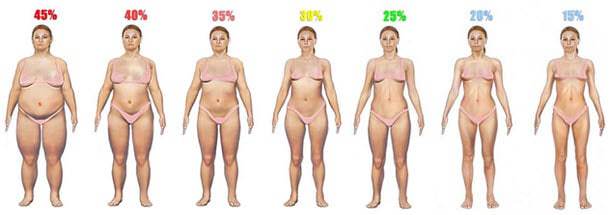
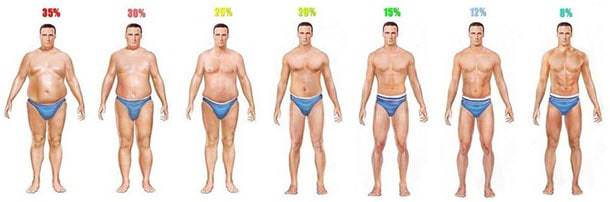
Image source: https://www.builtlean.com/2012/09/24/body-fat-percentage-men-women/
What does the “Deficit” or “Gain” in the macro calculator mean?
This is the percentage of calories that you want to go over or under what you’d need to maintain your weight, depending on your goal.
- To lose fat: Select “Lose Fat” as your goal, then specify the deficit. The generally accepted calorie deficit for weight loss is 500-750 calories per day, which typically amounts to 10-15% of calories you burn (sources here and here). With a higher deficit, you might lack nutrients or lose muscle mass.
- To gain muscle: Select “Gain Muscle” as your goal, then specify the gain (calorie surplus %). Eating more calories than you need will result in weight gain, which will be in the form of muscle growth if you do strength training. I don’t recommend a surplus higher than 10%, because more can result in fat gain.
- To maintain your weight: Select “Maintain Weight” as your goal in the free macro calculator. You won’t need a deficit or gain.
Where can I find macro-friendly recipes?
I’ve got over 1000 healthy, macro-friendly recipes right here on Wholesome Yum! You can find my low carb recipes here and my balanced healthy recipes here. Some of them overlap, of course.
Where can I get support or specific questions about my macros answered?
The best place to get support is in my healthy support group here. It’s FREE and I’d love to have you in our community!

Use My Meal Plan To Hit Your Macros
So, how do you plan your meals to actually meet your macros? I designed my Wholesome Yum App to do just that. You can also reference my low carb food list if you’re aiming to follow low carb or keto macros.
The app will calculate your macros for you based on the lifestyle you choose — low carb, keto, or balanced — and build a custom weekly meal plan to help you reach your goals! 🎯
You can customize the plan with over 1000 easy, healthy recipes, and it’ll even build your grocery list for you. Plus, it works on your iPhone, Android, or desktop computer, and will sync across your devices, so it’s ready wherever and whenever you are.














210 Comments
April Rule
0Hi Maya!
Thank you for this information, but I do have a question. I know we are supposed to eat a certain percentage of fats, carbs and protein with each meal. My struggle has always been knowing how to figure this out on my plate. I’m so not good at math, and I’m not sure how to do this. Is there any tips/tricks/hints that will help me? Thanks so much!
Maya | Wholesome Yum
0Hi April, Some people stick to the percentages for each meal, others just do it for the whole day. As long as you aren’t eating all your carbs for the day in one meal, in general it’s fine to just make the macros add up for the day and not necessarily at every meal. If you want to be precise, the only way to know is to enter what you are eating (with the amount) into a tracking tool so that you can get the nutrition info. If you are making low carb / keto recipes from Wholesome Yum, the nutrition info is provided on each recipe card. Hope this helps!
April Rule
0Thank you, Maya! That helps a lot. I’ve had a difficult time with some tracking apps, because it goes by what others put in and finding an exact match is tough. I like your idea of just tracking for the day. I thought about getting a notebook and doing it that way. I’ll ponder that. Thank you for adding the nutritional info on each recipe. That helps so much!
Faye
0I just started using Carbmanager.com … works great, put all my info in, it sets out the daily amount, then just log in as you go, be it on your desk top or your phone. I personally love it, and just actually paid the few bucks for 3 months premium membership for the extra tracking suck as glucose etc and recipes. I don’t think you will be disappointed if you try it. Even without the paid membership, the tracking log is still a great tool.
Cheers
Natalie
0Such an interesting and helpful method! I love it!!! I’m going to share with some of my relatives and friends, they certainly will like it 🙂
– Natalie